Publications and media
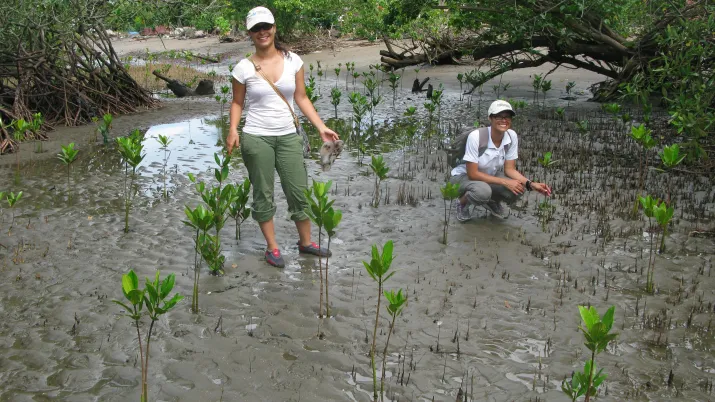
Résumé d'évaluation - Porto-Novo, ville verte planificEvaluation summary - Porto-Novo, Green City: Strategic Planning and Sustainable Developments (PNVV)ation stratégique et aménagements durables (PNVV)
Porto-Novo, the capital of Benin, faces urban vulnerabilities linked to its lagoon context: bank degradation, recurrent flooding in coastal neighbourhoods, the isolation of certain areas, and weak pla...
Published on
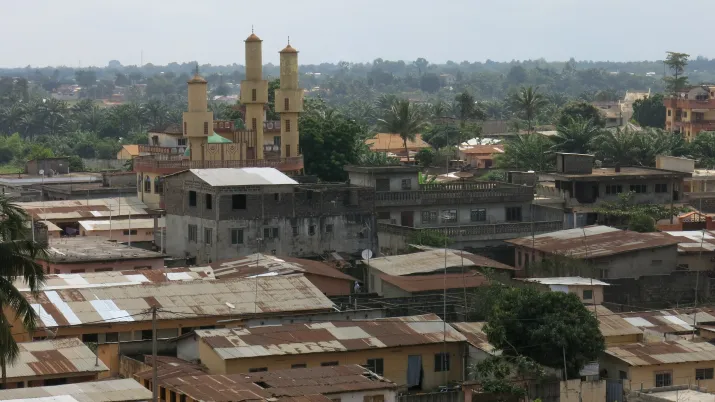
Evaluation summary - Territorial approach as a driver of socio-environmental resilience (Resilient Territories)
Building on the positive results of the REDD+ Programme in the La Mé region (PRM) in Côte d’Ivoire, and on a robust methodology to address the drivers of deforestation, Nitidæ requested the FFEM’s sup...
Published on
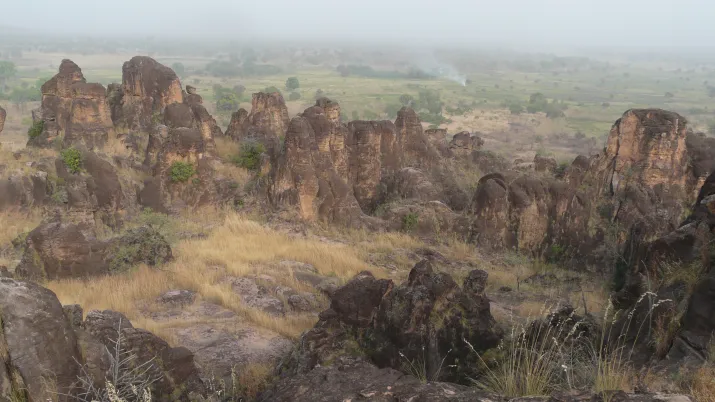
Evaluation summary - Conservation of Biodiversity and Community Development in the Chimanimani Conservation Area (BioPaisagem)
The BioPaisagem project (2020–2025) operates in the Chimanimani Conservation Area, a transboundary mountain ecosystem between Mozambique and Zimbabwe, recognised for high endemism and strong cultural...
Published on
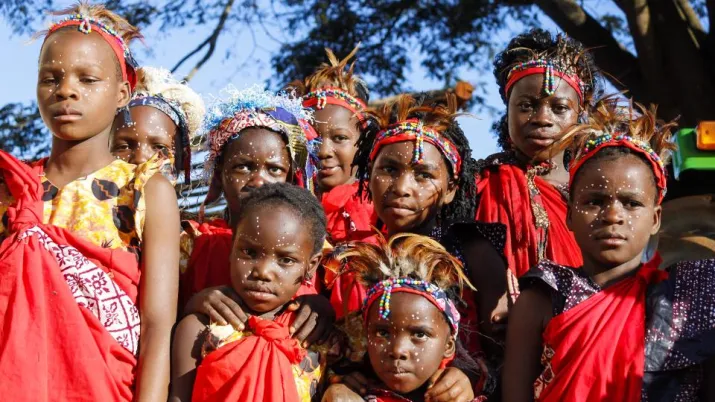
Evaluation Summary of the project: Starting a public-private dialogue to deliver on the Paris Agreement (ACT-D...
The Paris Agreement, built on a bottom-up approach, allowed the coordination of efforts to reduce greenhouse gas emissions, through voluntary and non-binding commitments, seeking an increased involvem...
Published on
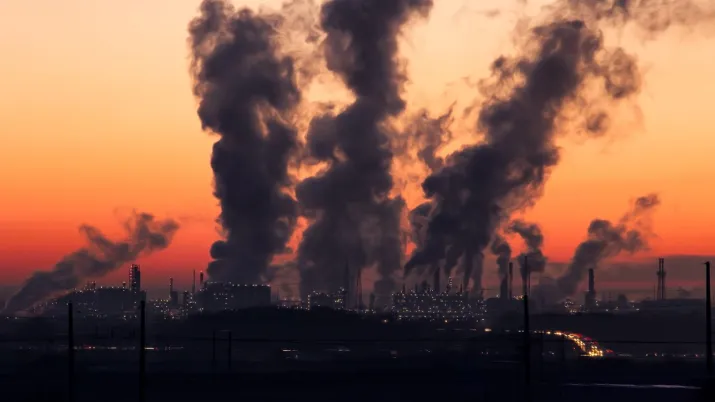
Evaluation summary - The conservation, mitigation and biodiversity offsets program (COMBO+)
Globalization and accelerating economic growth are increasing pressure on natural resources, exacerbating the climate, health, and biodiversity crisis. The Kunming-Montreal Global Biodiversity Framewo...
Published on
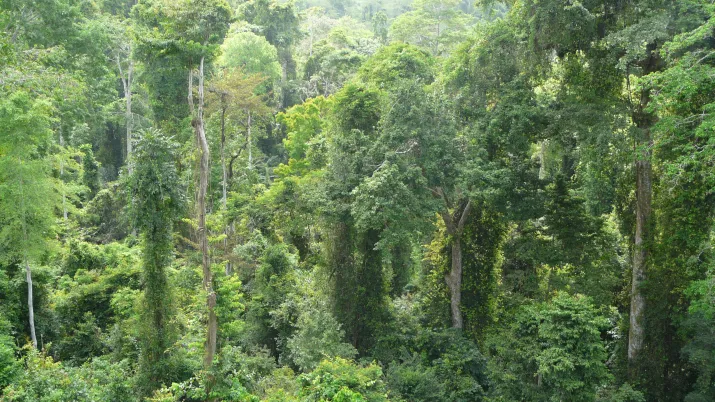
Evaluation summary of the project Co-create to improve agricultural system resilience (Sup-Med)
Improve the resilience of producers in the region of Baalbek-Hermel (Lebanon) and Luxor (Egypt) to climate change by reducing their dependence on water resources.
Published on
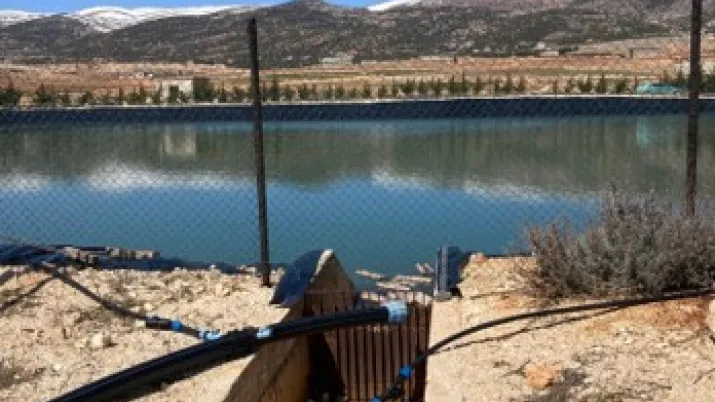
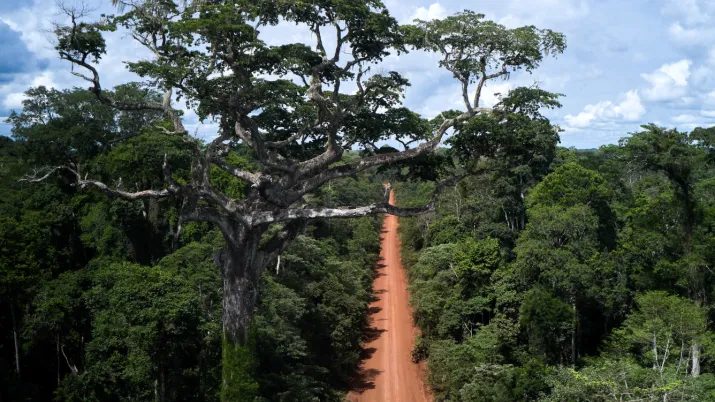
Evaluation summary - Ensure development of all the North Congo landscape (PPFNC)
The Republic of Congo has a forest area of 23.5 million hectares, representing 69% of the national territory. The Congolese forestry sector contributes about 6% of the national GDP and 36% of the coun...
Published on
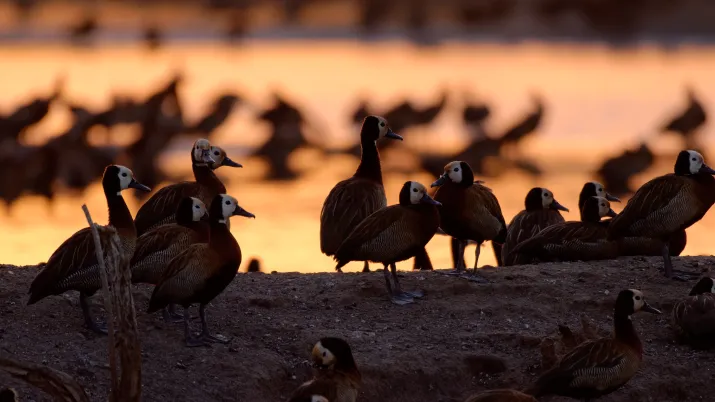
Evaluation summary - Protecting Waterbirds in the Major Sahelian Wetland Areas (RESSOURCE)
The RESSOURCE project (2017–2020) aimed to improve the conservation status of Sahelo-Sudanian wetlands and waterbird populations, in a context of increasing pressures from resource use (harvesting, ag...
Published on
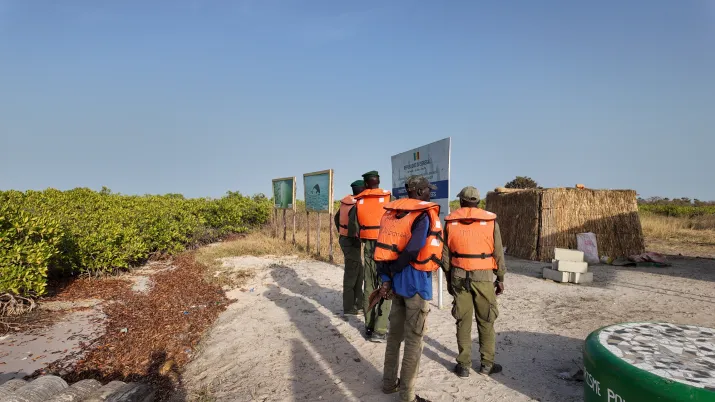
Evaluation summary - PPI 6
Launched in 2006, the Small Initiatives Programme (PPI), funded by FFEM and implemented by the French Committee of IUCN, supports African civil society in its biodiversity conservation actions. Phase...
Published on
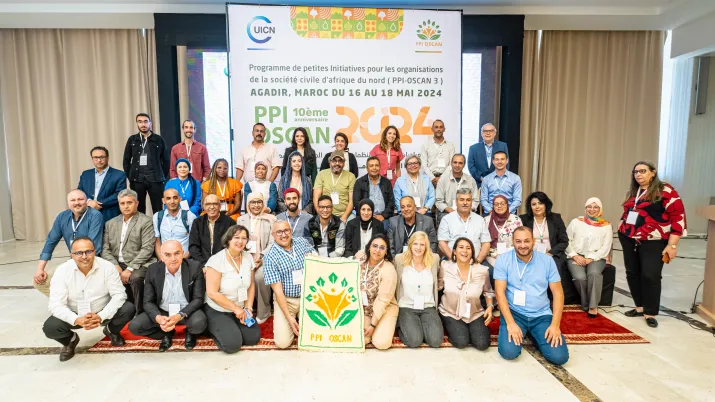
Evaluation summary PPI OSCAN
The Mediterranean, the world's second largest biodiversity hotspot, is home to unique ecosystems but is severely affected by climate change and human pressures. In this context of environmental fragil...
Published on
Evaluation summary - HotSpots 2
This project was implemented by the Wildlife Conservation Society (WCS) from September 2018 as a continuation of Hotspot 1 project. In December 2024, the French consulting firm Oréade-Brèche was awar...
Published on
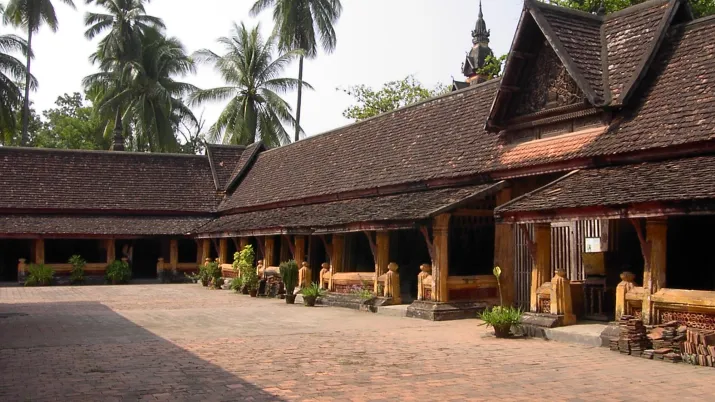
Evaluation Summary - Union Naturelle
The Colombian Pacific region, predominantly populated by Afro-Colombian communities holding collective land titles to more than 5 million hectares, faces significant threats such as illegal logging an...
Published on
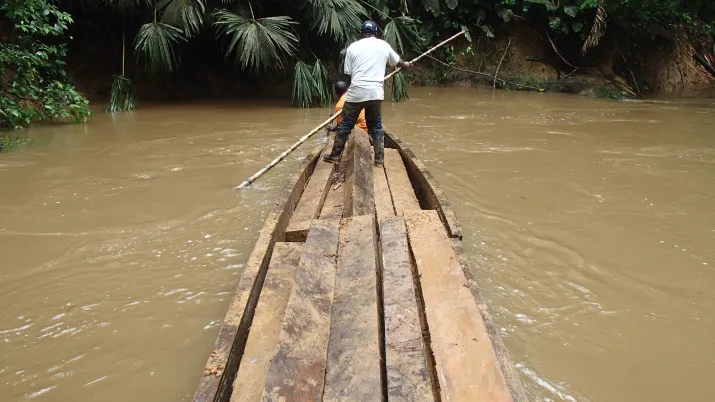
Evaluation summary - BioGuinea
With support from the FFEM, the project has enabled the BioGuinea Foundation (FBG) to be operationalized and structured as the national conservation trust fund dedicated to the sustainable financing o...
Published on
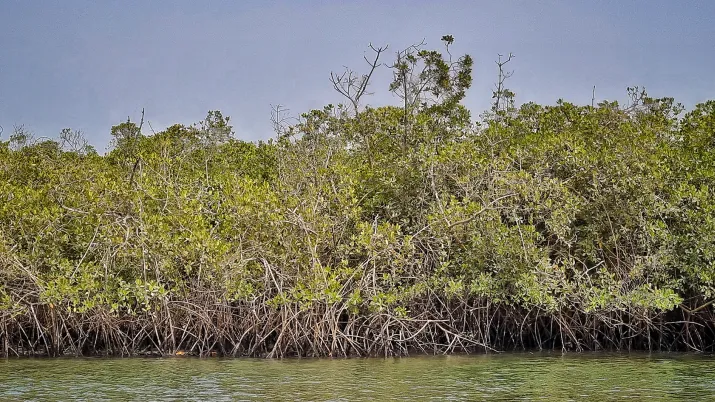
Natural Resource Management Program in Vulnerable Areas in Tunisia
Tunisia faces overexploitation of natural resources, particularly water and soil. Since the 2011 revolution, rural populations have shown a certain distrust toward central administrations. The PACTE p...
Published on
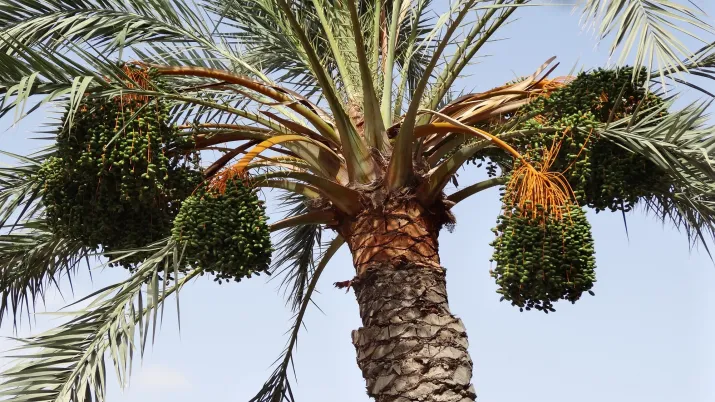
Evaluation summary of the project "Integration of green and grey solutions" (CI Philippines)
In the Philippines, severe climate events are becoming increasingly frequent and intense. To strengthen the resilience of this small island state, the FFEM supports Conservation International in imple...
Published on
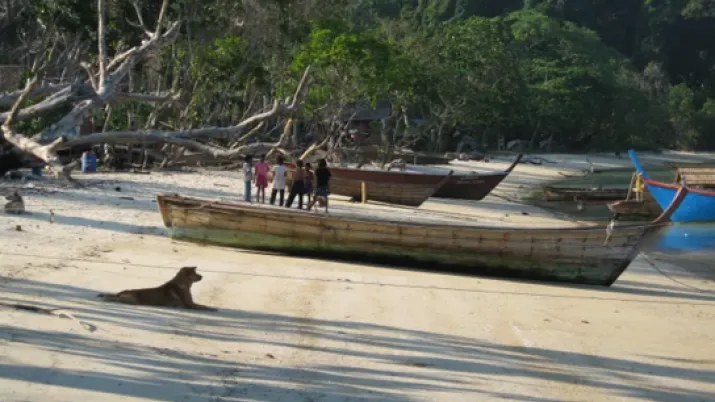
Evaluation summary of ALEC project
Faced with the climate emergency, educating the young generations is a priority. The ALEC project – supported by the FFEM – addressed this challenge by strengthening climate change education in primar...
Published on
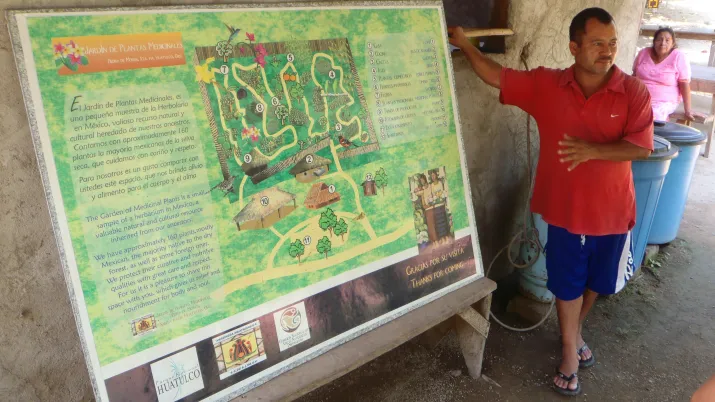
Evaluation overview « MAR FISH » project
The MAR Fish Project is a collaborative initiative to support the recovery of fisheries in the MAR region by advancing research, monitoring, community engagement, and protection of fish spawning aggre...
Published on
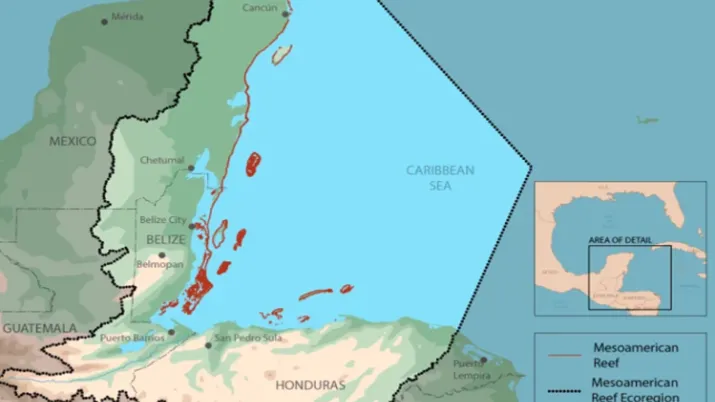
Evaluation summary of the ZEMBO project
The Zembo project is set to transform mobility in Kampala by offering electric motorcycles to replace the traditional thermal "boda-bodas," which are responsible for pollution and accidents. By provid...
Published on
Evaluation Summary Development of sustainable production and consumption models for goods and services in the ...
The National System of Protected Areas of Uruguay (SNAP) plays a key role in protecting the country’s environment. To strengthen this dynamic, FFEM is supporting an innovative project aimed at promoti...
Published on
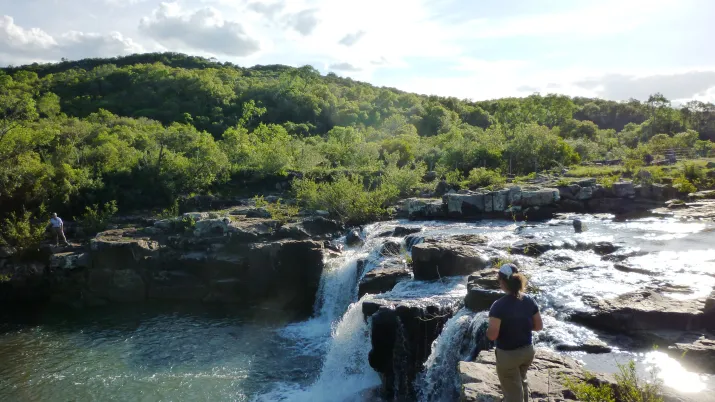
Evaluation Summary of the WaSAf project
Faced with growing threats to water quality, the WaSAf project has implemented a water resource monitoring program across three sites in Africa. Its objective: to better understand the risks associate...
Published on
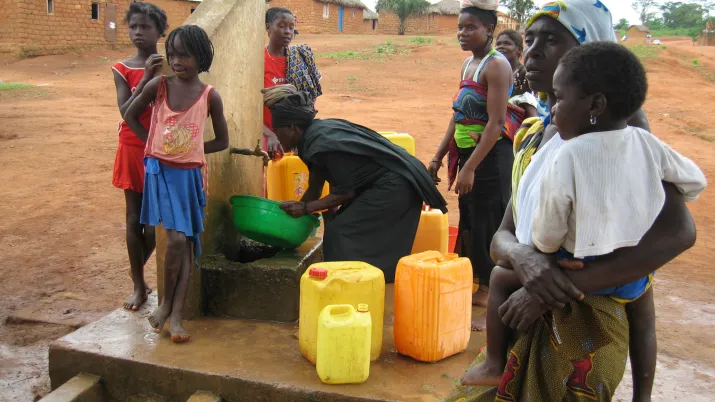
Evaluation overview of the Project Restoration of Mangroves in Costa Rica and Benin
Faced with the challenges of coastal ecosystem degradation, the mangrove restoration project in Costa Rica and Benin has demonstrated the crucial role of these forests in mitigating climate change and...
Published on