Search results
"Our Futures Forests : Vital Reserves in the Amazon" - Progress Overview (March 2026)
This document, produced by Conservation International, presents the main results of the program "Our Future Forests – Vital Reserves", implemented in the Amazon.
Publication
Press release - Vital Reserves in Amazonia
The French Facility for Global Environment, Conservation International to support world’s Vital Reserves. €2.5 million investment aims to address both climate and biodiversity crises in Amazonia
Press release
Libération: “Giving deforestation in Colombia the chop”
First published in Libération on 21 August 2019, this article revisits the sustainable forestry planning project in the Colombian Pacific region, supported by the FFEM, the EU and ONF Andina (French N...
News
Published on

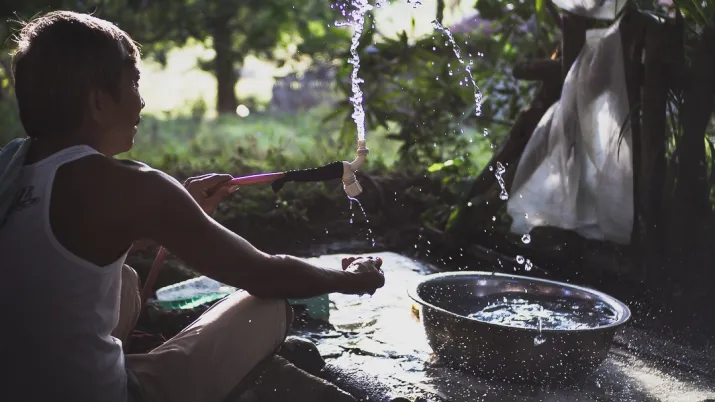
Supporting pioneering social companies in access to energy, sanitation and clean water
Contributing to the reduction in greenhouse gas emissions and to sustainable development in developing countries by supporting the growth of companies producing and distributing solutions which grant...
Project
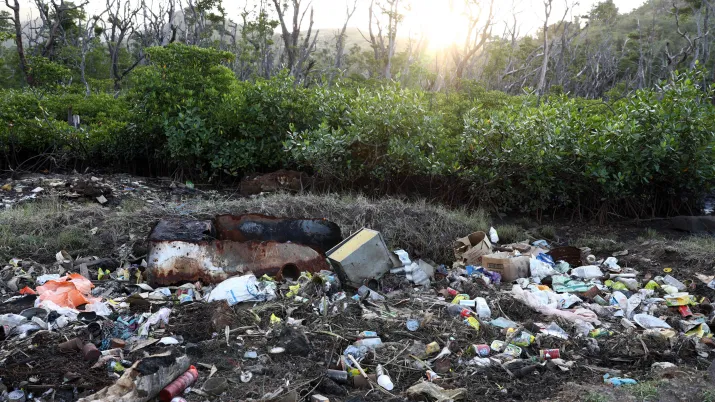
The FFEM launches a new call for project proposals on the “environmentally sound management of chemicals and h...
The FFEM launches a new call for project proposals on the “environmentally sound management of chemicals and hazardous waste” in developing countries.
News
Published on
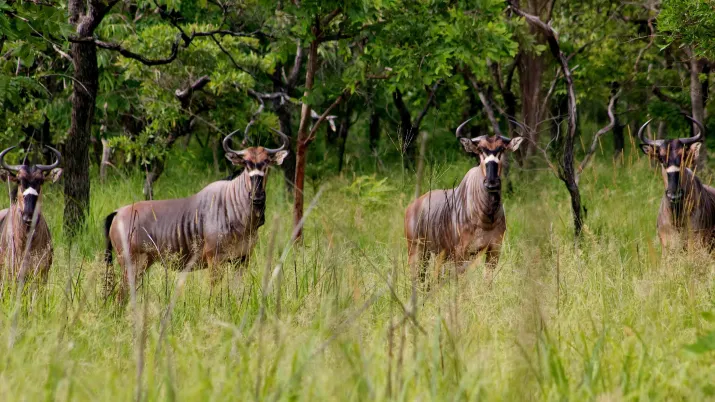
Pilot project to fight against the deforestation and degradation of Miombo forest on the Gilé National Reserve and its periphery
Combating the deforestation and degradation of Miombo forest on the Gilé National Reserve (GNR) and its periphery by reducing the pressures on it, and mobilizing the REDD+ mechanism. Gilé is one of th...
Project
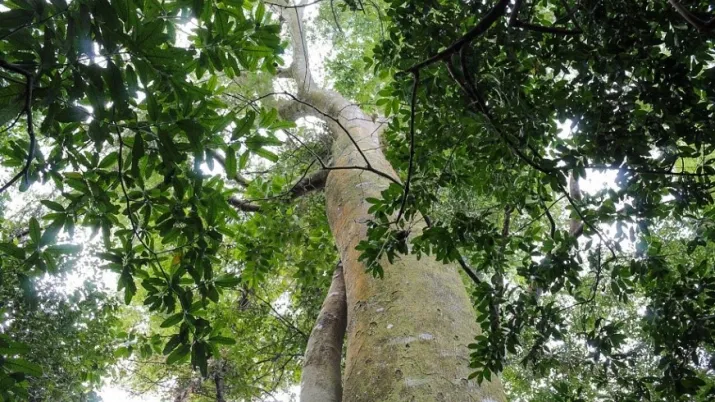
ROUNDTABLE DISCUSSION ON 2 NEW CAPITALIZATIONS FROM THE FFEM COLLECTION “INNOVATE – EXPERIMENT - SHARE”
The FFEM cordially invites you to roundtable on 2 new capitalizations from the FFEM collection " Innovate-Experiment-Share" :
Event
Published on
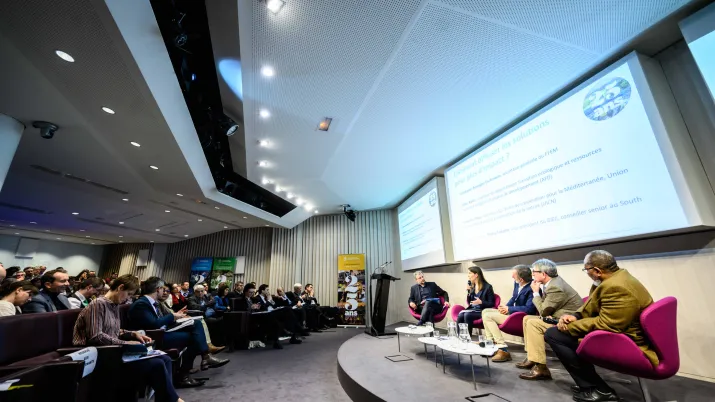
A LOOK BACK AT THE FFEM’S 25TH ANNIVERSARY EVENT
On 5 March 2020, the FFEM celebrated its 25th anniversary in the presence of Secretary-General Stéphanie Bouziges-Eschmann together with FFEM partners, former colleagues and friends.
News
Published on
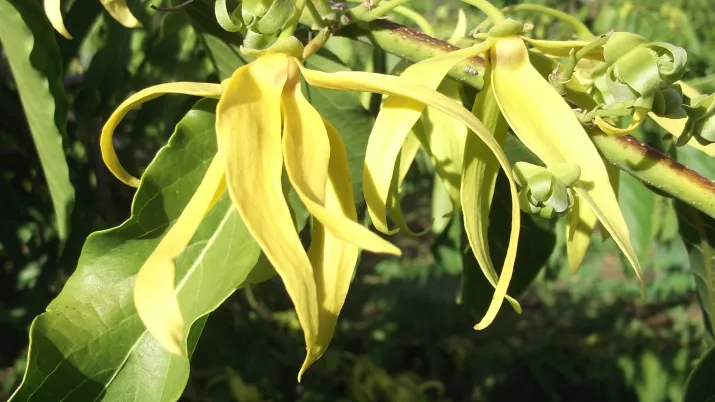
Reducing the environmental impact from the essential oils distillation sector
The production of essential oils, particularly ylang-ylang, is vital to the Union of the Comoros. However, the sector contributes to the deforestation of the region and weakens ecosystems and biodiver...
Project
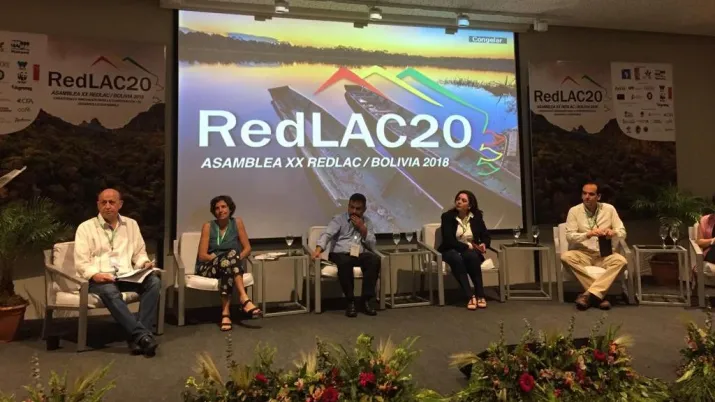
RedLAC annual meeting: Innovation at the center of reflection
Nearly 140 environmental fund representatives from Latin American RedLAC and African CAFE networks were welcomed for the 20th RedLAC meeting from October 29th to November 1st in Santa Cruz de la Sierr...
News
Published on
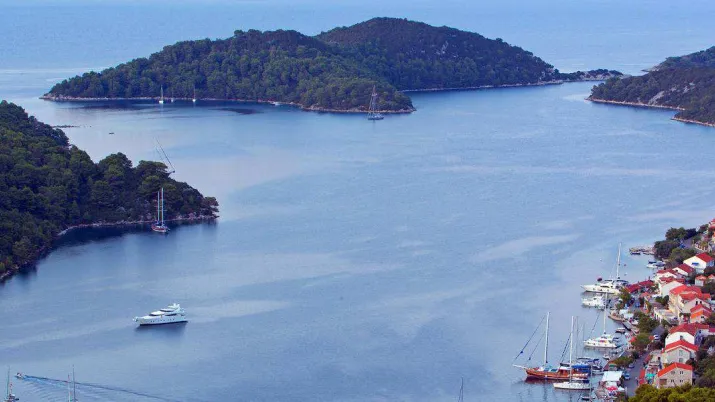
17 years of partnership with the Conservatoire du littoral: from French expertise to shared solutions
On the occasion of World Maritime Day, to be held in 2026 under the theme ‘From policy to practice: promoting maritime excellence’, the FFEM is highlighting an issue at the heart of its work: translat...
News
Published on
Taking a closer look to guide action
A multi-purpose approach: accountability, knowledge enhancement and decision support
Editorial page
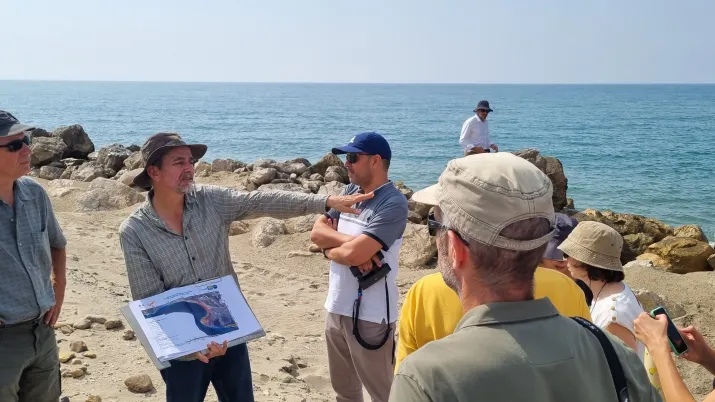
Integrating scientific output on coastal and marine areas into decision-making
Although scientific understanding around marine environments continues to grow, these findings are still often overlooked by decision-makers and civil society. That is why the FFEM is supporting the I...
Project
Published on
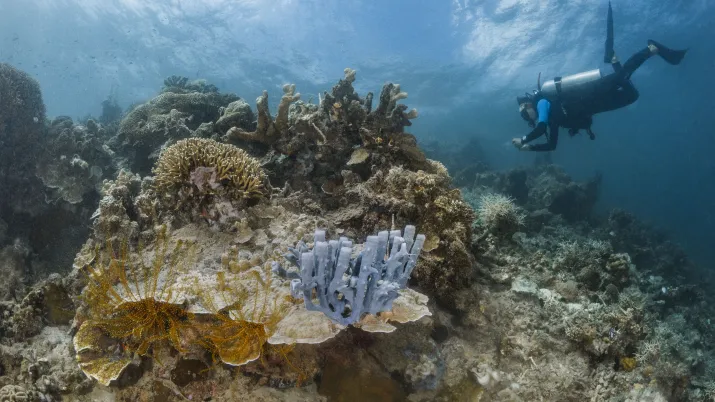
Conserving and sustainably exploiting seamount ecosystems and hydrothermal vents in the high seas
Improving the management of high seas marine ecosystems is essential. To do so, we need to deepen our scientific knowledge and the way it is managed. To this end, the FFEM is supporting a conservation...
Project
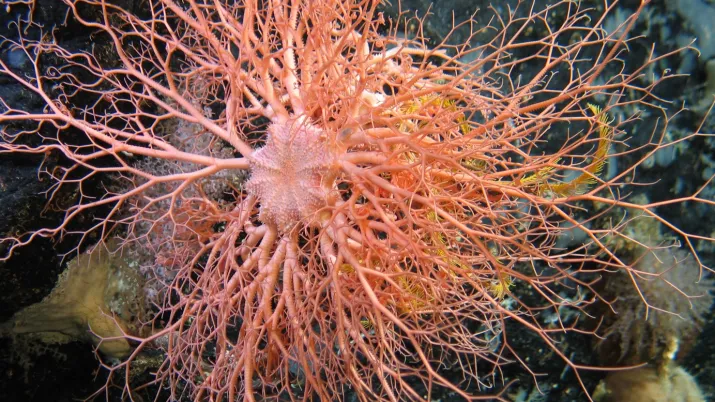
A concept for sustainable blue tourism
The tourism industry, and mass tourism in particular, is causing considerable environmental damage. The FFEM is supporting a project seeking to help develop sustainable post Covid tourism in the Medit...
Project
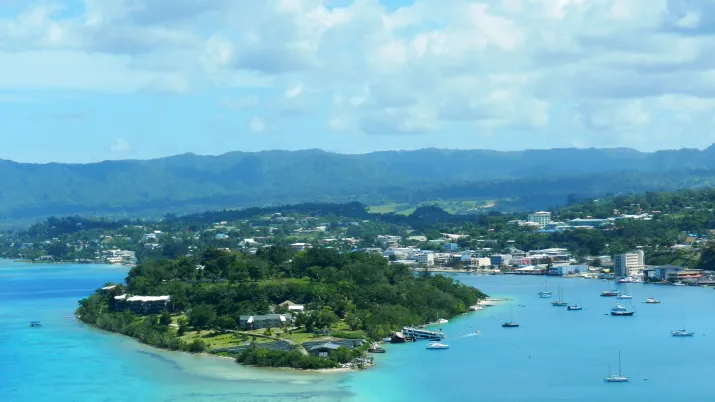
Contributing to the sustainable management of coastal ecosystems in Madagascar (GECP BATAN)
Rich in marine and terrestrial biodiversity, the BATAN area in Madagascar is under significant anthropogenic pressure on ecosystems, which negatively impacts fisheries and local communities. The GECP...
Project
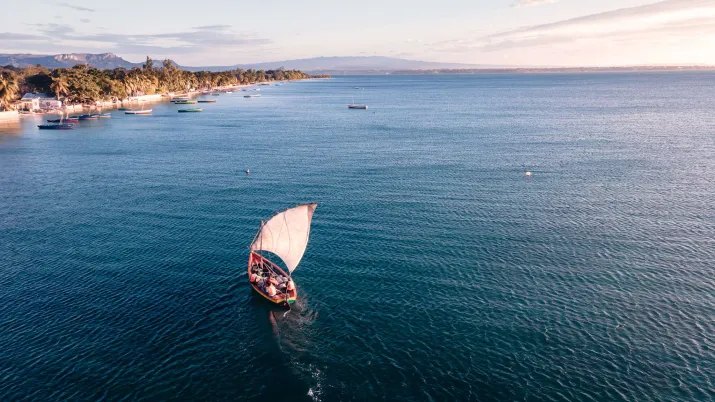
Boosting socio-ecological resilience and developing a blue economy
Heavily impacted by climate change, the Western Indian Ocean is home to critical ecosystems on which several million people depend. The WIOCOR project, supported by the FFEM, contributes to effective,...
Project
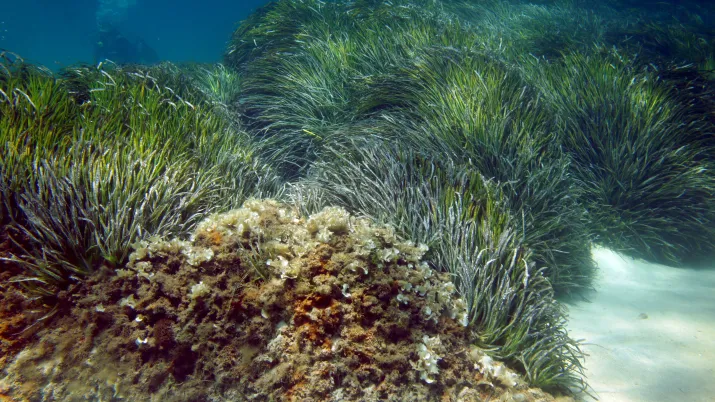
Reducing underwater noise emitted by maritime transport and services in the Western Indian Ocean
Awareness of noise pollution generated by maritime transport and services and their potential ramifications on certain species will help protect the underwater ecosystem in the Western Indian Ocean. S...
Project
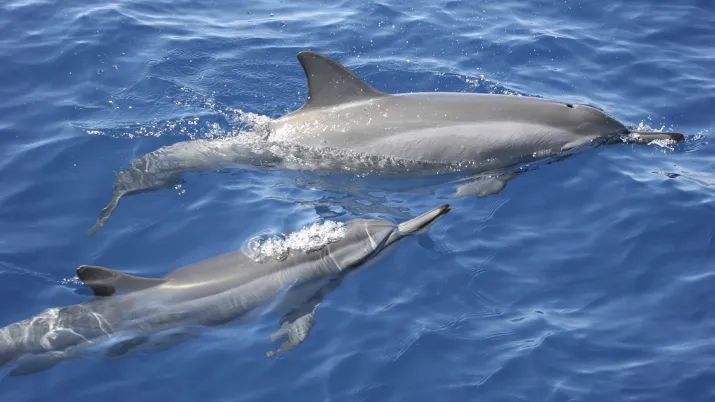
Plastic pollution and strengthening the circular economy (ExPLOI)
Thousands of tonnes of plastic are dumped every year into the oceans, with no precise traceability. The Indian Ocean Plastic Expedi-tion (Expédition Plastique Océan Indien - ExPLOI) aims to combat pl...
Project
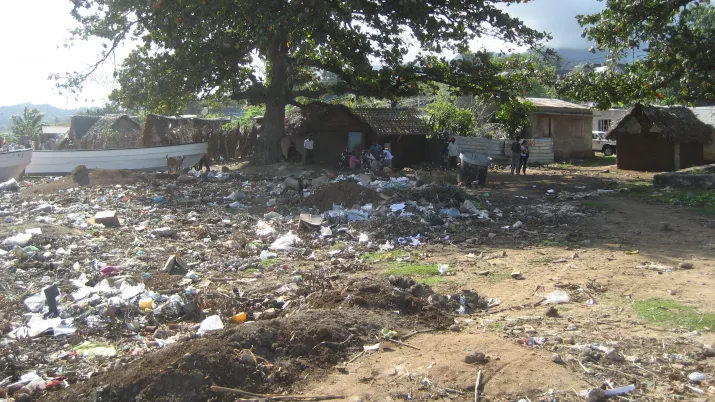
Ocean activities to preserve the biodiversity of the Northern Mozambique Channel
Subject to pressures from oil and gas companies, the area around the Northern Mozambique Channel (NoCaMo) is also threatened by maritime traffic and climate change. The FFEM is supporting the NoCaMo p...
Project